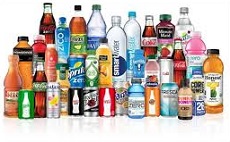
Carbon dioxide does more than create bubbles in beer and soda. It shapes texture, influences flavor perception, stabilizes product integrity, and determines whether a beverage feels crisp or flat. In draft systems and packaged products alike, pressure control governs how carbon dioxide behaves in solution. When pressure drifts outside proper range, taste and consistency suffer quickly.
Carbonation begins with equilibrium. Carbon dioxide dissolves into liquid under controlled pressure and temperature conditions. The colder the liquid, the more readily it absorbs gas. The higher the pressure, the more gas remains in solution. Maintaining that balance is critical. If pressure drops below the required level for the product’s temperature, carbon dioxide escapes prematurely. This leads to flat flavor, reduced mouthfeel, and shortened shelf stability.
Excess pressure creates a different problem. When gas remains overly compressed in the system, the beverage releases it aggressively at the point of dispense. Foam increases, pours become inconsistent, and product waste rises. Operators may attempt to compensate by adjusting serving technique rather than addressing the regulator settings, yet the root issue lies in pressure control.
Flavor perception changes with carbonation levels. Carbon dioxide contributes slight acidity, which sharpens taste and enhances brightness in both beer and fountain beverages. When carbonation decreases, that brightness fades. Hop character in craft beer feels muted. Citrus notes in soda taste dull. Mouthfeel becomes thinner. Even small variations in pressure can create noticeable shifts in the final product.
Draft systems require precise calibration to maintain consistency across multiple taps. Each line length, elevation change, and temperature variable affects resistance. Pressure must be matched to those conditions so that carbonation remains stable from keg to glass. A system that operates well for one style of beer may not perform equally for another with different carbonation requirements. Lagers, stouts, and highly carbonated specialty releases demand specific settings to preserve their intended profile.
Temperature fluctuations complicate matters further. Warmer product requires higher pressure to maintain the same level of dissolved carbon dioxide. In warm climates or during heavy service hours, refrigeration systems may struggle to maintain stable temperature. If pressure remains unchanged while temperature rises, carbonation escapes more easily. Operators may notice increased foaming or inconsistent pours without recognizing the connection to environmental conditions.
Regulator accuracy plays a central role in preventing these issues. Worn or improperly calibrated regulators introduce instability that spreads across the entire dispensing system. Gauges that appear functional may drift over time, leading to gradual inconsistency rather than sudden failure. Routine inspection and calibration preserve predictable performance.
Carbonation consistency also influences brand perception. Guests rarely articulate pressure imbalance directly. They simply notice when a beverage tastes different from their last visit. Foam heavy pours slow service. Flat soda leads to dissatisfaction. In competitive hospitality environments, repeat experience shapes loyalty. Consistency in carbonation supports that reliability.
For craft breweries, pressure control during finishing and packaging determines product stability beyond the taproom. Bright tank settings affect dissolved oxygen levels and carbonation uniformity prior to bottling or canning. Incorrect pressure during transfer or packaging can introduce variation across batches, impacting shelf life and sensory quality.
Maintaining appropriate CO2 pressure is not a one-time adjustment. It requires attention to system design, temperature stability, regulator integrity, and routine maintenance from a beverage company. When these factors align, carbonation remains balanced and flavor stays true to formulation.
Carbon dioxide functions as both an ingredient and a delivery mechanism. Its behavior depends entirely on pressure control. Stable settings protect taste, texture, and operational efficiency, ensuring that every pour reflects the product as it was intended.
Related posts:
Important Considerations When Purchasing a Company Car
How to Reduce Real Estate Cost with Virtual Office
4 Important Tips to Keep Your Business Office Physically Safe and Secure
5 Important Tips to Protect Industrial Machinery and Equipment
Top 3 Factors to Consider When Renting an Office Space for Your Business