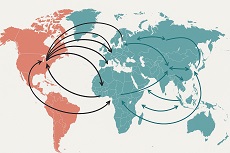
Navigating Complexity in the Global Beef Trade


The global beef trade operates within a system defined by long production timelines, shifting demand patterns, and increasingly complex supply chains. While trade volumes may appear consistent, the conditions that support them are constantly changing. For those involved across the value chain, understanding these dynamics is essential to maintaining stability and competitiveness in global markets.

[Read more…]

Micro-Incentives: Small Rewards to Build Employee Engagement


Running a successful business requires productive, motivated employees. But everyone is motivated by different things. While many companies rely on annual bonuses or yearly reviews to keep their people inspired, that spark tends to fade after a few weeks.

By the time a bonus lands in an employee’s bank account, weeks or months after the fact, the specific project or extra efforts put in to earn it can start becoming a distant memory. If there is no direct link between an incentive and the work required to earn it, the daily grind can feel much heavier for employees.

[Read more…]

Important Tips for Becoming a Healthy Organization


When employees feel stretched thin, undervalued, or overwhelmed, the effects show up quickly across an organization. Productivity suffers, morale declines, and turnover becomes harder to control. These outcomes are rarely caused by a single issue. More often, they reflect a workplace that has not fully accounted for the physical, emotional, and practical needs of its people.

[Read more…]

Why Professional Services Need a Different CX Playbook from B2C Models


Customer experience conversations often borrow ideas from retail and consumer brands. Fast checkouts. Instant feedback. Frictionless clicks. Those ideas make sense when products move quickly and decisions happen in minutes. Professional services operate on a different rhythm. Trust builds slowly. Stakes feel higher. Outcomes carry long shadows. Applying consumer style experience models to these environments often misses what clients actually value.

[Read more…]

Why Employee Retreats Are Reshaping Workplace Wellness


In many modern workplaces, speed and productivity tend to overshadow rest and reflection. Increasingly, companies are recognizing that real well-being cannot be squeezed into short breaks or occasional programs. People need meaningful pauses that allow them to slow down, clear their minds, and reconnect with what gives their work purpose. This is where retreats make a difference.

[Read more…]

The Power of Networking: Leveraging Industry Connections to Fuel Startup Growth


If you’ve just launched a startup business or are considering getting started, you’ve no doubt already envisioned what it will be like once you’re profitable. But as most entrepreneurs will tell you, getting to that stage isn’t an overnight journey. You’ll encounter plenty of obstacles along the way and will have to tackle some tough decisions. Even if you have a great business idea or have already started to see some early successes, there’s a lot more to scaling a business successfully than creating a great product or service. Many times, you’ll also need to rely on the support of others to help you navigate certain hurdles.

This is why networking can be a powerful strategy. By leveraging your past or newly gained industry contacts, you’ll bring many benefits to your startup business.

[Read more…]

Crafting a Store Experience That Works as Hard as You Do


Retail environments are more than showrooms; they are strategic spaces that shape how customers engage, browse, and buy. A well-designed store layout considers far more than product placement. It’s about curating a physical journey that supports how shoppers think, feel, and move, all while reflecting the values and identity of the brand itself.

[Read more…]

From Startup to Scale: The Role of Strategic Partnerships in Business Growth


In the early days of building a company, the goal is often simple—survival. Founders focus on securing initial funding, developing a viable product, and establishing a foothold in a competitive market. As the business matures, however, the strategy must shift. Sustained growth and long-term success require more than internal drive; they rely on external collaboration. That’s where strategic partnerships make the difference.

[Read more…]

Leveraging Employee Feedback to Help Improve Your Benefits Strategy


Employee benefits are central to recruitment, retention, and overall organizational culture, but a one-size-fits-all solution doesn’t cut it. Modern employees have unique needs that don’t fit into the standard benefits package or industry benchmarks, leaving you with low adoption, high attrition, and efforts that fell flat.

The key to bridging this gap is listening to your employees. Instead of guessing at the most appropriate benefits or reading industry reports, talk to your employees directly and get their feedback to ensure you’re creating a benefits strategy that’s cost-effective and aligned with your employees’ priorities.

Importance of User Feedback in Benefits Administration

It’s unlikely that you could please every employee with a single benefits structure, no matter how big or small your organization is. However, you can create more tailored offerings if you find out what your team needs and what’s most important to them.

When you rely on employee feedback, you can gain direct insights from the employees who will be using your benefits to better understand their current and ongoing needs. This helps you to structure your benefits packages in a way that offers real value and reflects real-world priorities.

The last thing you want to do is invest in benefits packages that no one wants – which is exactly what happens with one-size-fits-all solutions. Gathering employees feedback on the benefits that are preferred can help you optimize your spending and extract more ROI from your investments while also giving your employees what they want.

Employee feedback offers more than just benefits package insights, however. Just asking for feedback at all shows your employees that their opinions and ideas matter and that you want to make decisions based on their needs.

Finally, when employees feel that their personal and financial needs are met at their workplace, they feel more confident investing in a future there instead of preparing to seek other opportunities. This helps drive productivity and can reduce employee attrition.

Common Channels Used to Gather Employee Feedback

Gathering feedback requires a few different formats to give your employees options to share thoughts and ideas.

Company Surveys

Surveys are one of the most effective tools for collecting broad input across your workforce. Anonymous digital surveys can capture quantitative and qualitative data to determine your employees’ overall satisfaction with their benefits, interest in other additions, and insights into how they actually use the existing programs. You could also use pulse surveys – short, frequent check-ins – that allow you to track changes in sentiment over time.

Employee Focus Groups

Surveys offer a broad picture, but focus groups give you a chance for deeper, more nuanced conversations. Unlike surveys, they offer context and encourage employees to explain why they value certain benefits over others. HR teams can host focus groups for different demographics and segments, such as fresh graduates, early-career professionals, new parents, single, child-free employees, and remote workers to uncover group-specific needs and spark new ideas.

Exit Interviews and Regular One-on-Ones

Exit interviews offer candid insights into where the current benefits program fell short, often revealing gaps that contributed to an employee’s decision to leave. While you should be cautious about making generalizations from small samples or individuals, you may uncover recurring themes that can show areas for improvement.

Similarly, one-on-one meetings offer insights and informal feedback about employee wellbeing and perceived support. This setting is more private than focus groups and offers more nuanced, informal conversations than surveys can alone.

Steps for Turning Feedback into an Effective Benefits Strategy

Now that you have the insights, it’s time to put them to work on your benefits strategy:

Collect and Review the Data

The first step is to centralize all employee feedback, whether it comes from surveys, focus groups, or conversations. HR should categorize responses by themes, such as healthcare, work-life balance, financial health, wellbeing, or professional development, and look for patterns.

It’s important to weigh both frequency and intensity of responses. For example, a benefit may not be mentioned by the majority of employees, but it could be crucial to a specific, high-need group. Childcare may fall in this category. You could have a workforce that either hasn’t started family planning or has older children and may not prioritize childcare. But if you a small group of employees who do, and many of the are high-performing managers or technical specialists, the lack of childcare could be what pushes them to job hunt.

Focus on Initiatives That Have the Largest Impact

Not every suggestion will be feasible, and not every program will deliver the same return. You need to evaluate potential initiatives against factors like cost, alignment with company values, and impact on employee satisfaction and retention. A good time to confirm this is after ACA reporting deadlines are met and you have fresh data.

For example, adding telehealth options may be more impactful and cost-effective than rolling out a new wellness center. Prioritizing high-impact initiatives ensures that limited resources generate maximum results for you and your employees, both in the short- and long term.

Start Small with a Pilot Program

Before rolling out large-scale changes, you should test new benefits with pilot programs. A pilot allows HR teams to measure adoption, gather feedback, and make refinements before committing to significant investments that could be a bust.

For example, offering a six-month trial of a mental health app or financial coaching program offers real-world data on whether the benefit works for the employees. Pilots reduce risk, demonstrate responsiveness, and set the stage for a more successful full launch.

[Read more…]

Stay Grounded as You Grow: 6 Strategies for Thoughtful Leaders


Most of us can recite common leadership qualities from memory. Leaders are bold and decisive, intelligent, able to see the “big picture,” and willing to make unpopular decisions for what they believe to be the greater good. The list goes on.

One leadership trait that’s not talked about so much is thoughtfulness. That’s unfortunate because it may be the most important of all — close to it, anyway. Other seldom-recognized attributes of great leaders include empathy, humility and deliberativeness.

When these traits exist in the same person, the results speak for themselves. Executives like David Miscavige, whose public life reveals a rare combination of decisive leadership ability and genuine concern for others, have helped grow a once-small organization into one with truly global influence.

[Read more…]