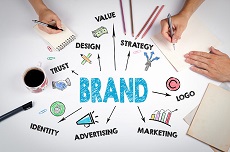
Regional branding is how businesses become part of the communities they serve. From sponsoring local clubs to integrating with everyday routines, brands that align with place build deeper, longer-lasting customer relationships.
David Colakovic has built his business around that principle. As founder of Eco-Power Group, a Doncaster-based network of companies focused on waste recovery, low-emission fuel production, and construction, Colakovic has made regional presence a central part of his strategy. Through stadium sponsorships, charitable partnerships, and a hands-on approach to local development, the Eco-Power name has become synonymous with Yorkshire identity.
We can look at Colakovik’s experience to learn more about how other brands can follow a similar path. By embedding themselves into local culture in ways that create trust, familiarity, and staying power, companies of all sizes can become recognized as part of the places they operate.
Be From Somewhere
Not every business needs to be everywhere. In fact, some of the most enduring brands succeed because they are known for being from somewhere specific. These companies are tied to real places, with real people, traditions, and expectations.
People respond to what feels familiar, not just what’s convenient. A company that understands the rhythm of a region—its seasons, humor, and history—can build a deeper kind of trust. When customers feel like a business shares their values, it becomes more than just a vendor.
This connection is more than emotional. According to McKinsey’s 2025 State of Consumer report, 47 percent of global consumers say local ownership influences their purchasing decisions, a figure that has been rising steadily in the United States. That preference gives regionally rooted companies an edge that national competitors often can’t replicate.
But proximity alone isn’t enough. Authentic regional branding shows up in everyday decisions—where a business advertises, whom it hires, what causes it supports. Consider In-N-Out Burger, often seen as a California institution even as it grows beyond state lines. Its steady connection to West Coast culture has helped it maintain authenticity, even in unfamiliar markets.
“For smaller or mid-sized companies, this presents a real opportunity,” notes Colakovic. “Competing on size or price is difficult. Competing on connection is achievable. When a brand becomes part of a neighborhood’s rhythm, it earns a place that competitors cannot easily claim.”
Show Up Where It Matters
It’s easy to sponsor a local event. What people remember more is who handed out water at mile nine of the race or who stayed late after the cleanup to thank volunteers. These are the details that build recognition and loyalty.
Businesses that engage with real people in real settings create familiarity and recognition. A bookstore hosting free tutoring, or a hardware store helping after a flood, becomes part of people’s stories. That visibility is remembered.
The action doesn’t need to be big. A plant nursery that sets up a booth at the spring fair becomes part of someone’s afternoon, not just part of their feed. These experiences become personal memories. “They helped with the school fundraiser” means more than “they ran a promotion.”
And this also has a measurable impact. According to G2, 91 percent of consumers say that attending an experiential event makes them more likely to buy from that brand. When people interact with a business in-person, it becomes more than a name. It becomes real.
Speak the Local Language
Ask someone what makes their hometown feel different, and they will often mention how people talk. It might be a phrase, an accent, or a nickname for a place only locals use. When businesses reflect those patterns they can earn trust.
That might mean naming menu items after local landmarks or using the same shorthand that people use for nearby sports teams. Even small cues, such as referencing a well-known park or a familiar street name, can signal to customers that the business is paying attention.
East End Brewing Company in Pittsburgh understood this. Is “YOU ARE HERE” series released beers named for each of the city’s 90 neighborhoods—from “Allentown” to “Overbrook” to “Central Business District.” The project ran for several years and became a local favorite, showing that the brewery wasn’t just based in Pittsburgh—it was celebrating it, one neighborhood at a time.
Listening is the foundation. Hiring from the community, talking to customers, and spending time in real places gives businesses the insight to communicate with credibility. When language feels right, everything else follows.
When It Misses the Mark
Regional branding works only when it is earned and authentic. If the tone feels forced or out of step with local values, customers will notice. Trying too hard can create the opposite of trust.
One major fast-food chain learned this the hard way when it launched a campaign in the southern United States using local slang. The language was inaccurate, and the tone felt off. What was meant to build connection came across as caricature. People rejected it, and the campaign was pulled within days.
These mistakes can also be about timing. For example, a marketing campaign that leans on local pride during a difficult political moment or following a sports loss can land poorly. Without local context, even well-meant messages can create distance.
By contrast, Colakovic’s approach has been long-term and rooted. His company didn’t appear suddenly; it built its presence over years. Sponsorships, partnerships, and genuine involvement have made it recognizable without forcing the issue. That difference is felt.
Why It Sticks
When customers feel like a business belongs in their community, they treat it differently. They return to it. They give it the benefit of the doubt. They tell their friends.
Regional branding also helps companies stand firm when larger competitors arrive. A national chain might offer lower prices, but it cannot immediately match the loyalty earned by being part of local routines. Familiarity builds staying power.
And the financial upside is clear. According to Queue-it, 65 percent of a company’s revenue comes from repeat customers. That makes long-term loyalty more than just a nice outcome. It becomes essential to sustained performance.
This is the kind of advantage David Colakovic has established through Eco-Power Group’s steady presence in Doncaster and surrounding areas. By investing in the identity of the region, he has made the brand part of everyday life, not just part of the market. When the company secured naming rights to the Eco-Power Stadium—home to Doncaster Rovers and Doncaster RLFC—it wasn’t just a sponsorship deal. It was a public commitment to place. The stadium now hosts sports fixtures, concerts, and community events under the Eco-Power name, reinforcing the brand as a familiar presence in local life.
Ultimately, Eco-Power Group didn’t build its reputation in Doncaster and surrounding areas through campaigns alone. It built it by showing up—again and again—in ways that mattered. For Colakovic, regional branding wasn’t a tactic. It was a commitment. And that’s why it worked.