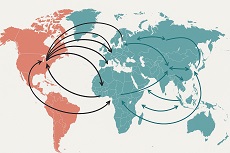
The global beef trade operates within a system defined by long production timelines, shifting demand patterns, and increasingly complex supply chains. While trade volumes may appear consistent, the conditions that support them are constantly changing. For those involved across the value chain, understanding these dynamics is essential to maintaining stability and competitiveness in global markets.
One of the defining characteristics of the beef industry is its limited responsiveness. Cattle production follows a biological cycle that cannot be accelerated to match sudden changes in demand. Herd expansion, breeding decisions, and feeding strategies all take time to influence supply. This creates a structural lag that makes it difficult to adjust quickly during periods of market volatility. As a result, trade relationships tend to favor regions that can deliver consistent volume and quality over time.
Demand-side changes add another layer of complexity. Economic growth, urbanization, and evolving consumer preferences all influence consumption patterns across regions. In markets where domestic production falls short, imports become essential. This shift increases the importance of efficient logistics, consistent product standards, and regulatory alignment between trading partners. Suppliers that can meet these expectations reliably are more likely to secure long-term access to these markets.
Operational factors also play a growing role in shaping trade outcomes. Extended supply chains introduce challenges related to transportation, storage, and coordination across different regulatory environments. Products may spend significant time in transit, increasing exposure to timing risks and tying up working capital. In this context, financial planning and access to specialized funding solutions become critical to maintaining operational flexibility.
Planning and visibility are equally important. Decisions around sourcing, processing, and distribution are often made well in advance, which limits the ability to react to short-term disruptions. Companies that invest in forecasting, data sharing, and cross-functional coordination are better equipped to manage uncertainty and maintain continuity.
Agricultural financial strategy underpins resilience throughout the system. Producers require capital to manage herd cycles and input costs, while processors and exporters depend on financing to support operations and market access. Effective risk management helps balance these pressures, allowing businesses to navigate volatility while continuing to invest in long-term growth.
In a market defined by both biological constraints and global complexity, success depends on more than production capacity. It requires a coordinated approach that aligns supply, demand, operations, and finance. Organizations that take a long-term view are better positioned to sustain performance and adapt to changing global conditions.
For additional perspective on how these forces interact across the global beef system, explore the insights highlighted in the accompanying visual overview.

Related posts: