
Packaging is an essential part of product delivery, ensuring safety in transit and representing a brand’s image. But what happens after a box is opened and tossed aside? For many businesses, the aftermath is an overlooked contributor to long-term waste. Excess packaging, inefficient materials, and non-recyclable designs quietly drive up costs and environmental impact. Adopting sustainable packaging practices is no longer just a nice-to-have—it’s a strategic move that benefits both the planet and the bottom line.
Where Waste Hides in Everyday Packaging
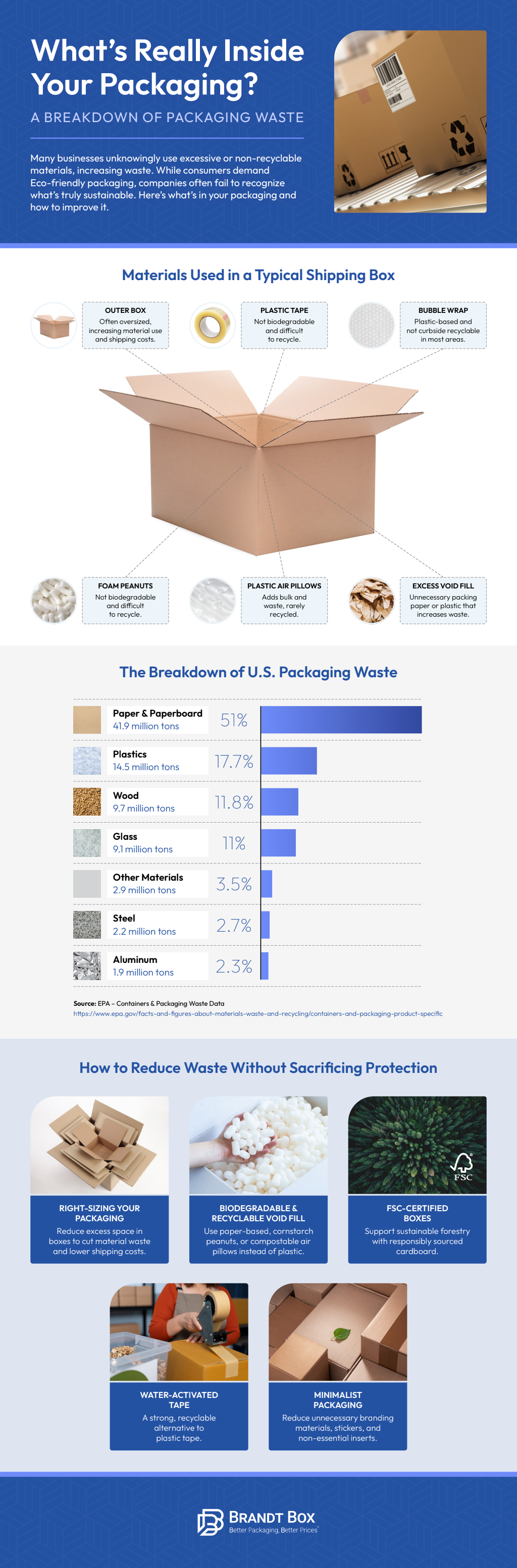
It’s easy to assume that commonly used materials are efficient, but many businesses unknowingly rely on packaging that’s difficult to recycle or breaks down slowly. Plastic wraps, oversized cartons, and filler like foam or plastic air packs are often more than what’s needed—and they build up in landfills. These items may seem necessary to keep products secure, yet there are more sustainable options that provide protection without the long-term waste.
Mixed-material designs are another problem area. Packaging that fuses materials like foil, plastic, and adhesives may enhance durability or aesthetic appeal, but this complexity often makes them unrecyclable. These materials not only increase disposal fees but also diminish a company’s sustainability credentials.
Taking the time to assess your packaging—from materials to design—can uncover simpler, more eco-conscious alternatives that reduce waste and improve logistics.
Eco-Friendly Packaging Builds Trust
Consumers are increasingly aligning their purchasing habits with their values. For today’s shoppers, a company’s sustainability efforts—especially around packaging—can influence repeat purchases and brand advocacy. Packaging that is reusable, recyclable, or compostable sends a strong message that a brand is committed to doing better.
Customers notice the difference. When a package feels thoughtfully designed by box suppliers with minimal waste, it enhances their experience and often encourages reuse. A cleaner packaging approach also reflects positively on a company’s ethics, helping to foster stronger brand loyalty and setting you apart in a crowded marketplace.
Efficiency Meets Sustainability
Thoughtful packaging doesn’t just help the environment—it can also improve supply chain operations. Right-sizing your packaging to better fit the product reduces the need for padding materials and leads to lighter, more compact shipments. The result is lower shipping costs and a smaller carbon footprint, especially across large-scale distribution.
Companies are also exploring newer packaging technologies. Compostable mailers, water-soluble films, biodegradable inserts, and soy-based inks offer environmentally friendly alternatives that maintain durability without compromising on design or branding.
A Smarter Approach to Packaging Design
Your packaging is often the first physical impression a customer gets of your brand. Making it environmentally responsible adds meaning to that experience and showcases your commitment to sustainability. By investing in recyclable and reusable materials, optimizing packaging dimensions, and evaluating new innovations, companies can reduce waste while improving cost efficiency.
Sustainability isn’t a passing trend—it’s a business imperative. Organizations that evolve their packaging practices now will gain a lasting competitive advantage, build deeper customer trust, and contribute to a more sustainable future.
Related posts: