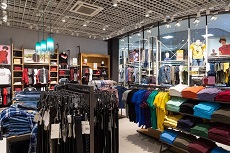
Even the most carefully designed retail spaces can struggle with uneven customer flow. Some areas naturally draw attention, while others — often tucked away, dimly lit, or poorly connected — become overlooked. These low-traffic zones, or “dead zones,” can quietly reduce sales and weaken the overall shopping experience. Addressing them requires both strategic design and a deep understanding of how shoppers interact with space.
Why Low-Traffic Zones Occur
Retail dead zones often emerge due to factors like layout, visibility, and accessibility. Hidden corners, narrow aisles, or pathways that abruptly end can discourage exploration. Lighting also plays a significant role: shoppers gravitate toward areas that feel open, bright, and inviting. When sections of a store appear darker or disconnected, they may be unintentionally avoided — even if they contain valuable products.
Other contributors include poor signage or inconsistent merchandising. Without visual cues guiding customers through the space, attention naturally concentrates in high-traffic zones, leaving some areas underutilized.
How Dead Zones Disrupt the Customer Journey
When shoppers consistently bypass certain sections, the effects ripple beyond missed sales. The shopping experience loses its natural rhythm, and the sense of discovery that drives engagement begins to fade. A cohesive flow encourages customers to explore, interact, and spend more time in-store. Conversely, disconnected areas can interrupt that journey, reducing dwell time and weakening the emotional connection to the brand.
Strategies for Revitalization
Transforming low-traffic areas begins with observation. Understanding how customers move through the space — where they pause, turn, or disengage — reveals valuable insight. Once these patterns are identified, the next step is activation through design and experience.
Eye-catching focal points, engaging smart displays, or digital elements can draw attention and encourage exploration. Subtle sensory enhancements, such as improved lighting, background visuals, or even curated sound, can shift perception and make previously ignored areas feel vibrant and purposeful.
Flexibility is equally vital. Rotating merchandise, refreshing product groupings, or incorporating seasonal themes keeps spaces dynamic and engaging. Small but frequent updates communicate freshness and encourage repeat exploration. Even pairing complementary products — such as accessories with apparel — can reframe an underused section as a relevant destination.
Using Technology to Guide Improvement
Data-driven insight has become a powerful tool for solving layout inefficiencies. Technologies like heat mapping, motion tracking, and digital signage analytics allow retailers to monitor customer movement and identify underperforming areas in real time. With these insights, managers can make informed adjustments to display placement, staffing, and promotional strategies. Continuous monitoring helps ensure that every square foot supports engagement and sales.
Turning Neglected Space into Opportunity
Retail success depends on creating environments that encourage curiosity, discovery, and connection. Every part of the store should invite exploration and contribute to the overall brand story. By reimagining underutilized zones with creativity, data, and thoughtful design, retailers can transform overlooked corners into valuable points of engagement.
When customers experience a store that feels cohesive and alive in every direction, they stay longer, interact more, and leave with a stronger impression of the brand.