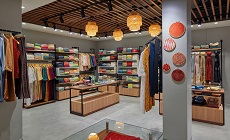
As online shopping continues to redefine convenience, physical retail spaces must evolve to offer something technology alone cannot — genuine, memorable experiences. Multisensory retail achieves this by designing spaces that appeal to more than just sight. By thoughtfully engaging touch, sound, scent, and even taste, brands can create immersive environments that stir emotion, influence purchasing behavior, and strengthen brand connection.
When applied effectively, sensory-driven design transforms a routine shopping trip into a vivid, emotional experience. It’s the rhythm of background music subtly shaping movement through the store. It’s the warmth of a signature scent that evokes familiarity. It’s the texture of high-quality finishes inviting customers to explore products with their hands. These small yet powerful moments make the experience more personal — and more memorable — long after the purchase is complete.
Beyond Aesthetic: Sensory Design as Strategy
Multisensory design goes far deeper than visual appeal or ambiance. It serves as a strategic extension of brand identity, influencing perception, behavior, and engagement at every step of the journey. In modern retail, how something feels and sounds can communicate just as much as what is being sold.
Tactile details, for instance, can emphasize craftsmanship and authenticity. Interactive displays from a display manufacturer that combine light, motion, and sound encourage curiosity and connection. Even intentional silence — such as in a luxury boutique — can create an atmosphere of exclusivity and calm. Each sensory decision contributes to a coherent brand message, expressed through the environment itself.
The beauty of multisensory retail lies in its flexibility. A high-end fashion brand might prioritize elegance and refinement through soft lighting, muted colors, and gentle music, while an energetic lifestyle brand could embrace bold hues, vibrant audio, and interactive layouts. Regardless of the approach, the goal remains the same: to tell the brand’s story through sensory experience rather than words.
From Foot Traffic to Emotional Connection
As competition in retail intensifies, brands are recognizing that success depends not just on drawing people in but on deepening emotional engagement once they arrive. Multisensory strategies achieve this by turning a physical visit into a holistic experience — one where shoppers feel immersed in the brand’s identity from entrance to checkout. Every sensory cue, from scent to texture, helps reinforce connection and loyalty.
Today’s customers expect more than efficiency; they crave connection and authenticity. Retailers that invest in sensory-focused spaces meet these expectations by blending emotion with function. The result is a store that doesn’t simply sell — it resonates.
By curating the elements of sight, sound, scent, touch, and taste, businesses can create environments that reflect their values and invite customers to experience them firsthand. In a world increasingly dominated by digital interaction, these tangible, sensory experiences are what make a brand truly unforgettable.