In the early days of building a company, the goal is often simple—survival. Founders focus on securing initial funding, developing a viable product, and establishing a foothold in a competitive market. As the business matures, however, the strategy must shift. Sustained growth and long-term success require more than internal drive; they rely on external collaboration. That’s where strategic partnerships make the difference.
Whether the aim is to enter a new market, gain specialized expertise, or expand distribution, the right partnership can dramatically reshape a company’s growth path. But not every collaboration delivers equal value. To truly drive progress from startup to scale, partnerships must be chosen carefully, vetted thoroughly, and managed with intention.
The Growth Journey: When Partnerships Make the Biggest Impact
Strategic partnerships can add value throughout every phase of business development:
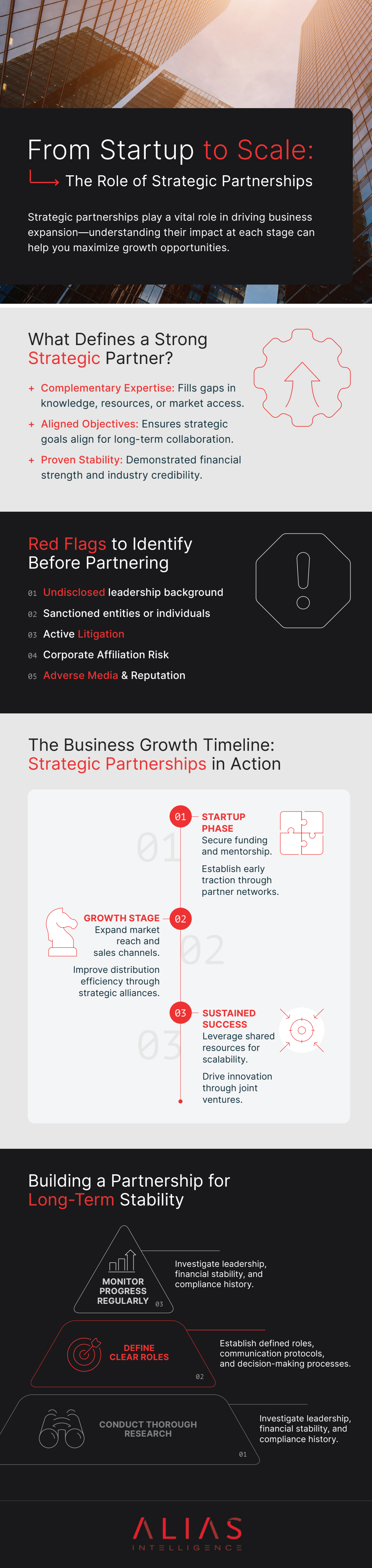
- Startup Stage: At the beginning, partnerships often help close critical gaps in funding, experience, or infrastructure. Aligning with accelerators, angel investors, or seasoned mentors can provide not only capital but also credibility and access to important networks.
- Expansion Stage: As a company gains traction, partnerships can fuel broader reach and efficiency. Co-branding efforts, channel partnerships, or logistics collaborations allow growing businesses to scale without having to build every function internally.
- Established Stage: For mature startups and established enterprises, partnerships foster innovation through co-development or joint ventures. Shared research, resource pooling, and talent exchange help extend a company’s capabilities without overextending its resources.
What Defines a Strong Strategic Partner
Not every partner will contribute lasting value. Before forming a relationship, look for key qualities such as:
- Complementary Strengths: A good partner brings something your business doesn’t have—whether it’s technical know-how, operational expertise, or access to a different customer base.
- Aligned Goals: Shared objectives reduce friction and create the foundation for mutual benefit.
- Reliable Stability: Financial soundness and a solid reputation reduce risk and build trust over time.
Warning Signs Before Committing
While partnerships can unlock opportunity, they can also introduce new risks. A thorough process from a due diligence firm is critical. Red flags to watch for include:
- Lack of transparency about leadership or ownership
- Legal or regulatory issues, including sanctions or pending litigation
- Negative publicity around ethics, compliance, or reputation
- Ties to competitors or controversial entities that could create conflicts of interest
Creating Partnerships That Endure
The real work begins once a partnership is formed. Lasting collaborations depend on structure, transparency, and consistent communication. Best practices include:
- Clearly defining each partner’s role and responsibilities from the outset
- Establishing regular communication and reporting procedures
- Tracking performance and adjusting goals as the relationship evolves
Closing Thoughts
Strategic partnerships are more than transactions—they are engines for innovation, growth, and long-term resilience. Whether you’re building a new venture or scaling an established one, the right alliance can accelerate success.
Approach these relationships with the same strategic care as any major business decision. By aligning objectives, performing due diligence, and fostering open collaboration, businesses can turn partnerships into a powerful growth advantage.