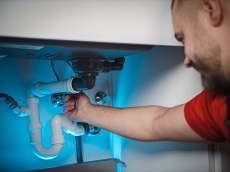
A missed appointment, damaged customer property, or an unexpected injury can turn an ordinary working day into an expensive disruption. Small business resilience comes from preparing for those events before they affect cash flow, customer relationships and future bookings.
Public liability insurance, often shortened to PLI, is one part of that preparation. It can help cover legal costs and compensation claims when a member of the public is injured, or their property is damaged in connection with your business. For tradespeople, retailers and other customer-facing businesses, understanding this cover is a practical part of staying operational.
Resilience starts with everyday risks
Business resilience can sound like a subject reserved for major companies with dedicated risk teams. In practice, it begins with simple questions. What could interrupt your work, how much might it cost, and how quickly could you recover?
The answers depend on what you do. A plumber may accidentally damage flooring while fixing a leak. A gardener could send a stone through a patio door while using powered equipment. In a shop, a customer might slip on a wet entrance during bad weather. None of these incidents has to involve poor workmanship or careless behaviour. Accidents can happen during an otherwise routine job.
Some resilience measures reduce the chance of an incident. Clear work areas, tidy cables, warning signs and regular equipment checks all help. Other measures limit the damage after something has gone wrong. These include keeping emergency savings, backing up booking records and arranging suitable insurance.
Resilience also has a wider community value. The UN Development Programme has documented how local trade skills can strengthen water security and help communities respond to changing conditions. On a smaller scale, dependable local businesses provide the same kind of continuity. Customers rely on them to solve problems, maintain properties and keep essential services available.
When public liability insurance deserves attention
PLI becomes relevant when your work brings you into contact with customers, visitors or other members of the public. That contact may happen at your premises, in a customer’s home, at an outdoor site or while you’re making a delivery.
A claim can involve more than the immediate cost of repairing an item. There may be legal advice, professional assessments and compensation payments to consider. If a person is injured, the claim could also reflect treatment costs or lost income, depending on the circumstances and applicable rules.
That helps explain why plumbers, gardeners, shopkeepers could all do with looking into PLI as part of their wider business planning. The cover is designed for legal action and compensation claims arising from public injury or damage to other people’s property. Policies can differ, so business owners need to check the exact cover, limits and exclusions before buying.
Think through a normal week when deciding if PLI fits your work. Note where customers enter your space, which tools or materials could cause damage and when you work near valuable property. A sole trader who visits five homes each week faces different conditions from a shop with hundreds of visitors, but both have risks involving the public.
Insurance won’t replace sensible working practices. It provides a financial response when prevention hasn’t been enough.
Match the cover to the work you actually do
Start with a clear description of your business activities. An insurer needs accurate information about your services, where you work and the level of public contact involved. Leaving out an occasional activity could cause problems if a later claim relates to that work.
Next, consider the possible size of a claim. Damaging a plant pot and causing extensive water damage are both property incidents, but the financial consequences are very different. Some customers, landlords or commercial contracts may also require a stated level of public liability cover before work begins.
Review these details when comparing policies:
- The maximum amount payable for a claim
- Legal costs and whether they sit within the policy limit
- Activities, locations or circumstances that are excluded
- Any excess you would need to pay
- Requirements for reporting an incident
- Cover for temporary staff or subcontractors, where relevant
The physical design of a job can reduce exposure too. Examples of smart plumbing design show how careful planning can support resilience while controlling costs. The same principle applies across many small businesses. A gardener can inspect the area for windows and parked vehicles before starting powered equipment, while a retailer can position displays so customers have clear walking routes.
Revisit the policy if you add services, move premises or begin taking on larger contracts. Cover based on last year’s work may no longer reflect the business you operate now.
Prevention and records work together
Good records can make an awkward situation easier to handle. Before starting work at a customer’s property, photograph the relevant area and note any existing damage. For an outdoor project, record obstacles, access restrictions and fragile features. Shopkeepers can keep cleaning logs and document checks of entrances, shelving and floor surfaces.
If an incident happens, deal with immediate safety concerns first. Don’t speculate about blame or promise payment. Record the time, location and people involved, then take clear photographs and gather witness contact details if appropriate. Notify the insurer promptly using the process set out in the policy.
A basic incident file might include:
- The customer’s details and job reference
- A factual description of what happened
- Photographs taken before and after the event
- Names and contact details for witnesses
- Copies of messages, estimates and receipts
- The date the insurer was contacted
These habits also reveal patterns. Two minor slips near the same shop entrance may point to a drainage or matting problem. Repeated close calls in a particular part of a garden could suggest that the work zone needs clearer boundaries.
Plumbing offers a useful example of why prevention matters beyond an individual job. The sector’s connection to community resilience includes protecting water quality and public health. For any small business, careful systems protect customers while giving the owner better evidence if events are later disputed.
Build resilience beyond the policy
PLI addresses a defined set of third-party claims, but practical resilience reaches into the rest of the business. Cash reserves can cover the excess on a policy or keep bills paid during a short interruption. Reliable backups protect customer contacts, invoices and appointment records if a device fails.
Supplier planning matters as well. A plumber may need a second source for common fittings, while a gardener may keep contact details for equipment rental firms. A shopkeeper could identify alternative suppliers for best-selling products. You don’t need duplicate arrangements for every purchase. Focus on the items or services that would stop work if they became unavailable.
Personal workload also deserves attention. Fatigue makes mistakes more likely and can weaken judgment when a problem occurs. Advice on resilience without burnout is written for legal professionals, yet its central themes are relevant to business owners too. Manageable schedules, proper breaks and clear limits help people continue working effectively under pressure.
Set a regular date to review your resilience plan, perhaps when you renew insurance or prepare annual accounts. Check emergency contacts, policy documents, supplier details and data backups at the same time. Ask staff to raise hazards and recurring customer concerns before they become incidents.
The most useful test is simple: choose one typical job or trading day and trace what would happen after an injury or property damage claim. If you know who to contact, where the records are kept and how immediate costs would be handled, your business is better prepared for the disruption.